Hello from my home in Helsinki! This is NordLetter #87, a weekly newsletter on living and walking in Finland. Each week I share some of the interesting things I found on the web.
To follow the series, you can subscribe here. A new NordLetter will land in your inbox every Sunday. Not a fan of newsletters? No problem! You can read previous editions here. You can also subscribe to the RSS feed.
You can reach out to me by replying on this mail or adding a comment on this. I am also posting on Mastodon.
After so many years of having this chair, today was the day I felt compelled to watch the video that tells me how to adjust everything about the chair.
The chair, as I often joke, is the costliest thing in this house. Yes, I just made a calculation in my head, it is the costliest thing in our home.
I had bought it during COVID, with the hope that I would be using it a lot. It would be the centrepiece of my home-office. But then COVID receded (feels like a bad dream now, doesn’t it?) and we went back to our offices.
I do sit in it, from time to time, at least once every week.
Anyway, today, I found out what all the buttons do. I like videos of this sort. It tells you everything you need to know about the product. It allows you to use the product to the fullest.
Things become other things is a sad book. It chronicles Craig Mod’s walks to rural (shrinking) Japan. It often contrasts his experiences growing up in a similarly shrinking American town to living in Japan.
Japan with it’s social security and healthcare. It’s safety nets. There are a lot of other comparisons and I am not done with the book yet.
But it is sad. These people, these generations with the young ones having left to earn, to live in the cities.
I have found many similarities to Finland in this book. I have similar thoughts about Finland and Europe in general. Maybe I am naive and I would not understand America’s obsession with big things. They can provide healthcare and childcare for their citizens, but they don’t. Even something as basic as this tends to divide their populace. It’s weird.
I keep reading articles about Europe losing. Who decides the metrics?
I love walking in the snow. I love fresh snow (once cars and people start going over the snow it gets muddy). I love walking even though my feet and the fingers in my hand tingle. Even though water freezes and becomes little icicles on my moustache and beard.
My balcony is full of snow right now. My last balcony had glass and so this is new. This would not happen at our home in Matinkyla. Almost every day I feel like walking barefoot in the balcony, but look it’s so damn pristine. I don’t want to mess it up.
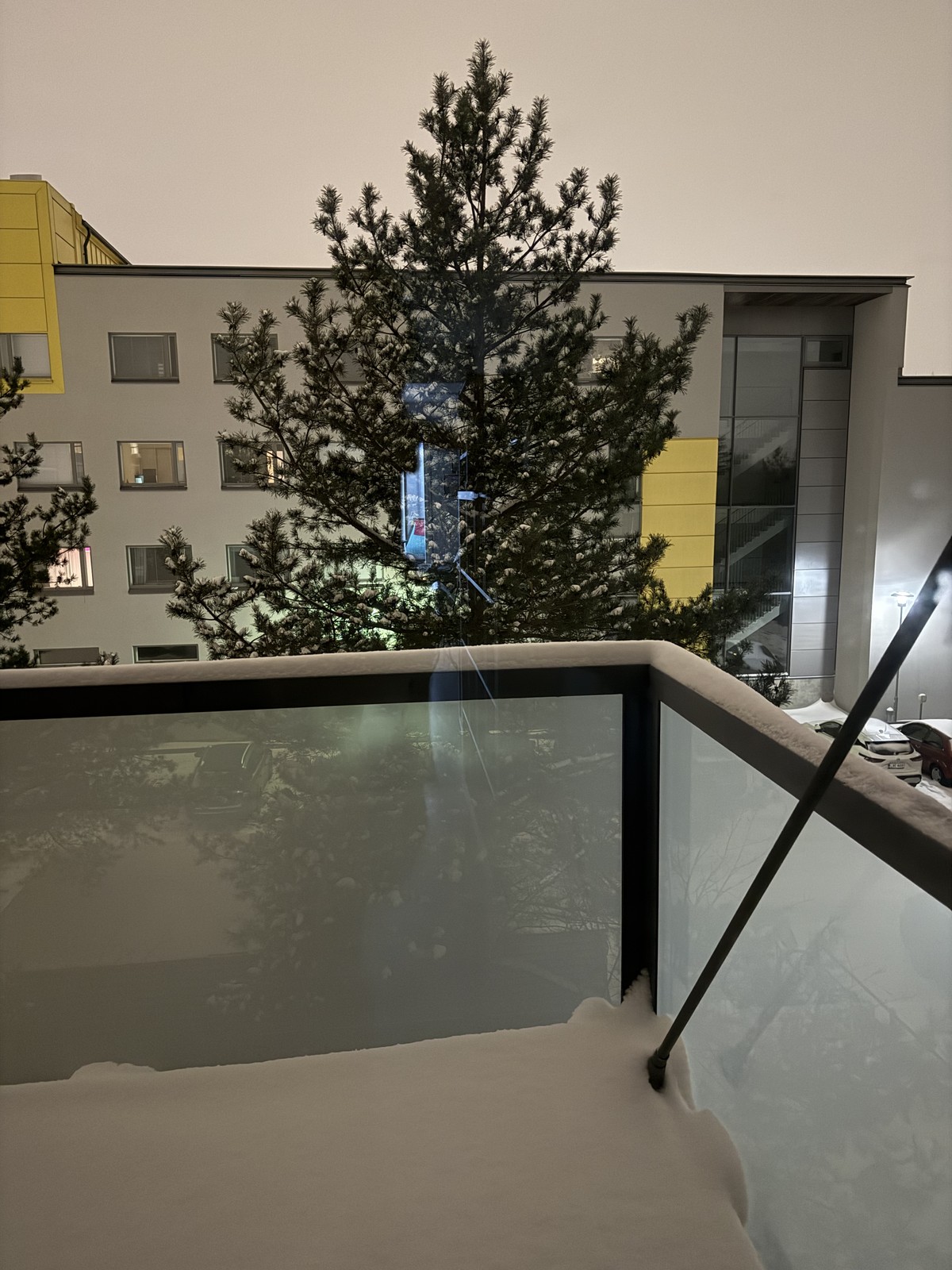
I find similar fluffy ice all through the route I walk on.
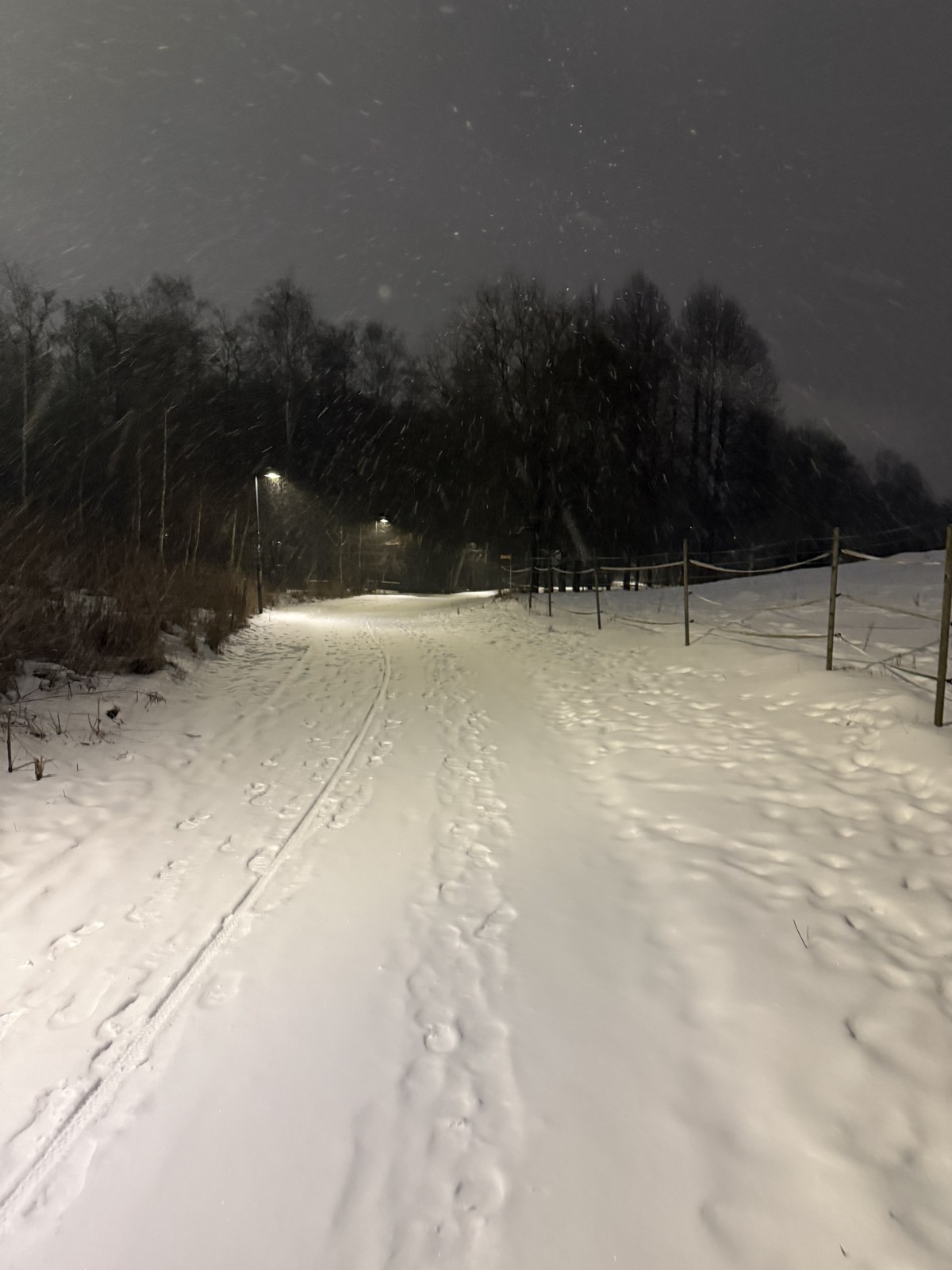
To the right in this picture here is a little ground for a horse and a mare. I have seen a couple of people riding them on this very path. I saw the horse further back today past the trees.
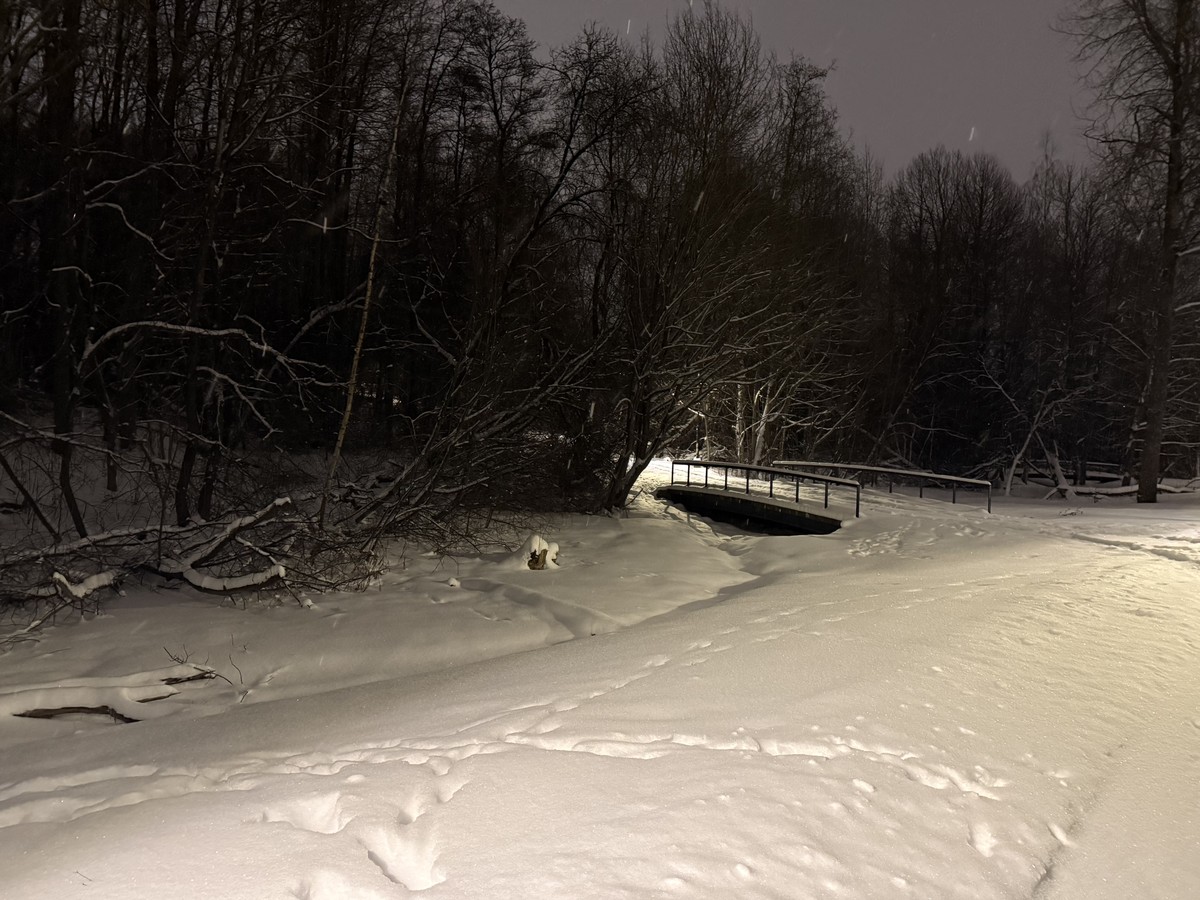
A little further out on this same path, there is a little bridge. In summer, there may be a stream that flows down there. Right now, I could just go walk over it.
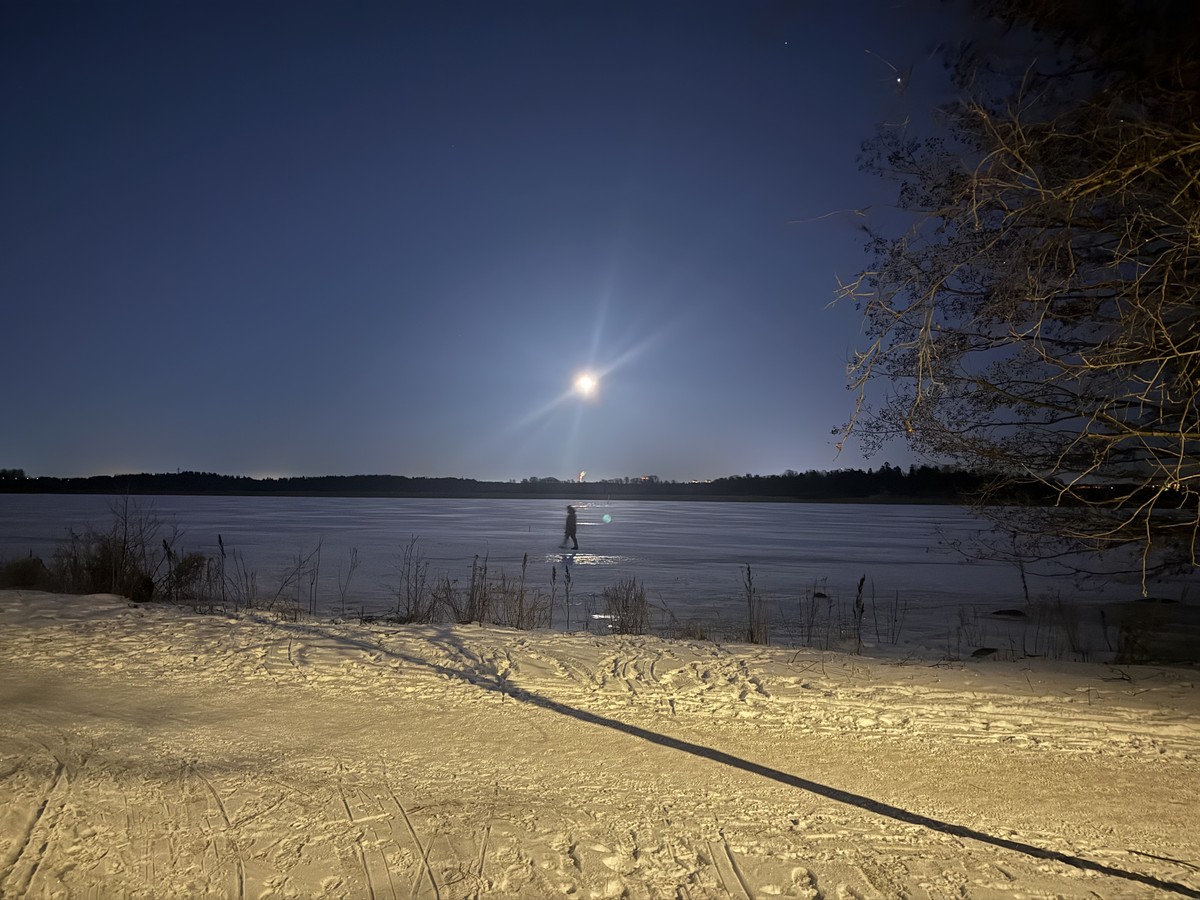
One more thing happens as the temperatures dip below zero and stays there. The water bodies freeze. I had walked over the frozen Toolo lake one time. It must be frozen now. It is so much fun. It gives a different perspective to things. Here, the bay is frozen now. I often see people (I saw a mother with three children today) walking on it. I have not gotten courageous enough yet. It’s dark over there. I can’t swim.
I also see ski marks where I walk. I saw an old woman skiing over this frozen track. Today, it had snowed some more and those marks were under fresh snow. You could almost not make out the tracks there.
It seemed fun.
Tomorrow, I may go and jump face first in that fluffy ice. I guess I will report back in the next NordLetter.
/five things to share
1. Pluralistic: Code is a liability (not an asset) (06 Jan 2026) – Pluralistic: Daily links from Cory Doctorow
Code is not an asset – it’s a liability. The longer a computer system has been running, the more tech debt it represents. The more important the system is, the harder it is to bring down and completely redo. Instead, new layers of code are slathered atop of it, and wherever the layers of code meet, there are fissures in which these systems behave in ways that don’t exactly match up. Worse still: when two companies are merged, their seamed, fissured IT systems are smashed together, so that now there are adjacent sources of tech debt, as well as upstream and downstream cracks. […]
For if AI code – written at 10,000 times the speed of any human coder, designed to work well, but not to fail gracefully – is the digital asbestos we’re filling our walls with, then our descendants will spend generations digging that asbestos out of the walls. There will be plenty of work fixing the things that we broke thanks to the most dangerous AI psychosis of all – the hallucinatory belief that “writing code” is the same thing as “software engineering.” At the rate we’re going, we’ll have full employment for generations of asbestos removers.
2. The man who made India digital isn’t done yet by Edd Gent
At 70 years old, Nilekani should be retired. But he has a few more ideas. India’s electrical grid is creaky and prone to failure; Nilekani wants to add a layer of digital communication to stabilize it. And then there’s his idea to expand the financial functions in DPI to the rest of the world, creating a global digital backbone for commerce that he calls the “finternet.”
3. ‘The Downside To Using AI for All Those Boring Tasks at Work’ - Slashdot
Roger Kirkness, CEO of 14-person software startup Convictional, noticed that after AI took the scut work off his team’s plates, their days became consumed by intensive thinking, and they were mentally exhausted and unproductive by Friday. The company transitioned to a four-day workweek; the same amount of work gets done, Kirkness says. The underlying problem, according to Boston College economist and sociologist Juliet Schor, is that businesses tend to simply reallocate the time AI saves. Workers who once mentally downshifted for tasks like data entry are now expected to maintain intense focus through longer stretches of data analysis.
This is an interesting problem. I see little discussion of it elsewhere. What will happen? Will we continue to work the same hours doing more, or will we be working less doing the same.
Knowledge work is highly cerebral in nature. That requires down time, in order to continue working at a high level.
4. Grok turns off image generator for most users after outcry over sexualised AI imagery by Helena Horton, Dan Milmo and Amelia Gentleman
Grok, Elon Musk’s AI tool, has switched off its image creation function for the vast majority of users after widespread outcry over its use to create sexually explicit and violent imagery.
5. Survey: Majority of Finns do not use AI at work by
A survey by recruitment and HR firm Barona has found that just 32 percent of people in Finland use artificial intelligence (AI) at work on a weekly basis.
A mistake that I often make is think that the world is filled with me. It’s not. I work in the IT industry. The majority of the world does not.
Hence, it takes a moment for me to say, yes, this makes sense.
If you enjoyed reading this, and know someone else who might, please consider forwarding this to them. It would help this grow and make me happy. 😄
Until next week.